What Really Is Machine Learning?
Table of Contents
“Machine learning (ML) is one of the most talked-about technologies today, powering everything from Netflix recommendations to fraud detection in mobile money apps, voice assistants, and even self-driving cars. But what actually is it?”
What Is Machine Learning?
Machine learning is teaching a computer to make predictions or decisions by showing it examples instead of writing explicit rules for every situation.
In other words, instead of programming “if this, then that” thousands of times, you give the computer lots of past examples and let it figure out the patterns itself.
The Basic Idea in One Sentence
A machine learning model learns rules from data so it can apply those rules to new situations it has never seen before.
That’s it, that single sentence captures 90% of what ML is.
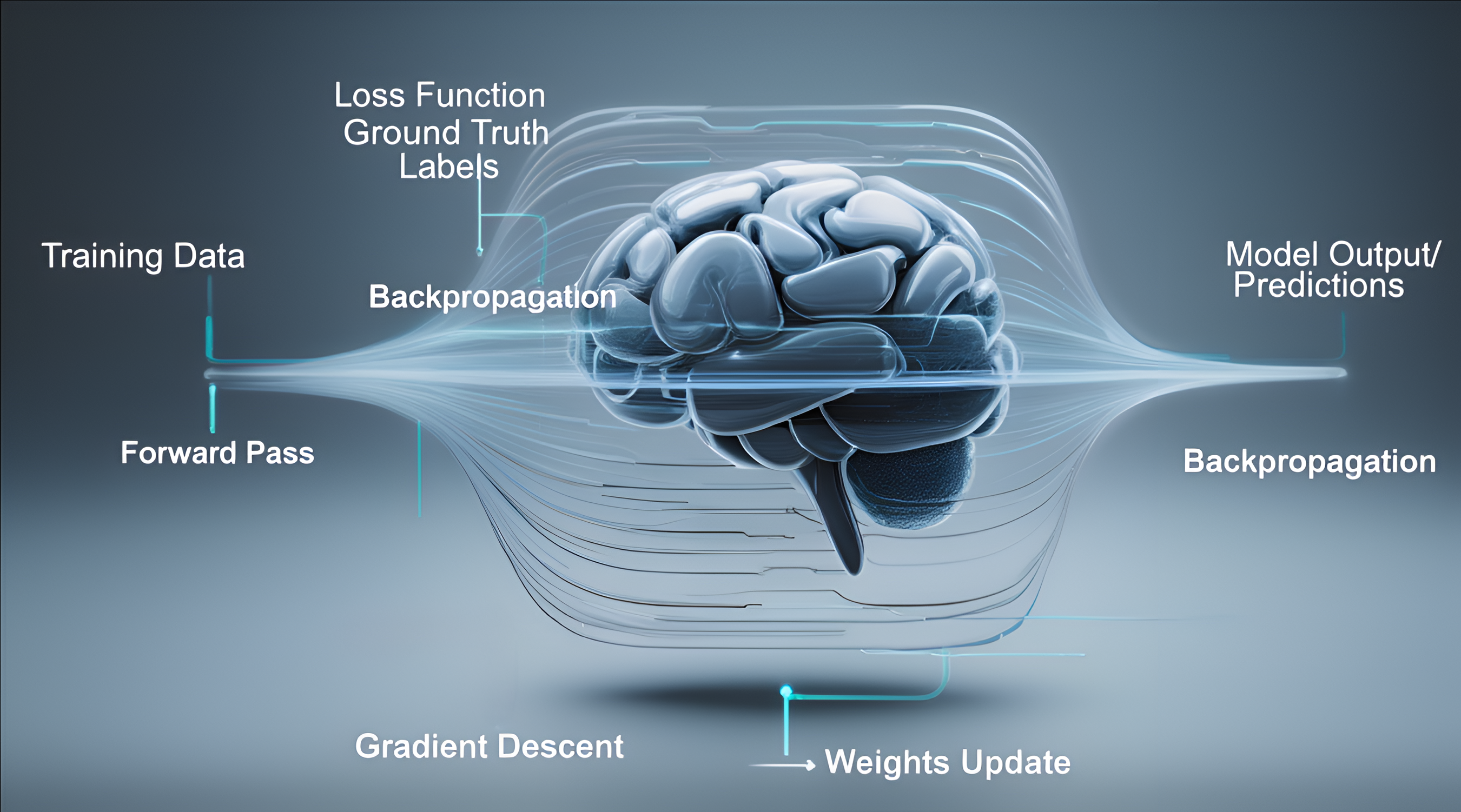
How It Actually Works (The Core Loop)
Training a model follows a simple, repeated process:
-
Give it examples with correct answers (called labeled data)
Examples:- Photos labeled “cat” or “dog.”
- Past loan applications labeled “approved” or “denied.”
- Customer transactions labeled “fraud” or “normal.”
-
The model makes a guess
It looks at a new example and predicts an answer (e.g., “this is 87% likely a cat”). -
Check how wrong it was
Compare the guess to the true answer → calculate error (loss). -
Adjust the model slightly
Tweak its internal numbers (weights) so it would be a tiny bit more correct next time. -
Repeat millions or billions of times
After enough corrections, the model’s guesses become very accurate even on new data.
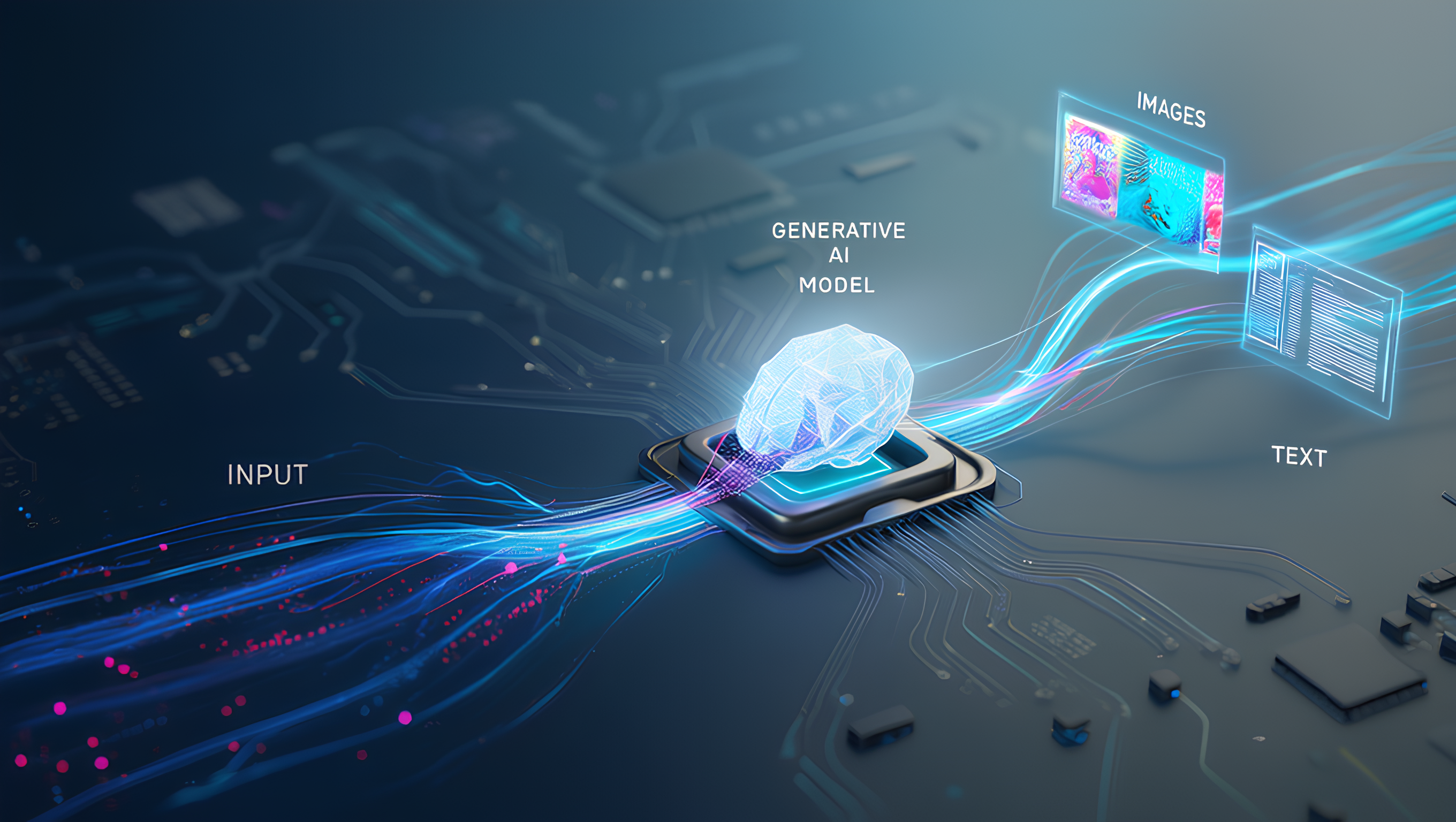
This loop is the same whether you’re predicting house prices, detecting spam, or generating text.
Machine Learning vs Traditional Programming
| Aspect | Traditional Programming | Machine Learning |
|---|---|---|
| How rules are created | Human writes explicit rules | Model discovers rules from examples |
| What you give the computer | Rules + data | Data + correct answers (labels) |
| How it handles new cases | Only works if rules cover it | Generalizes to new, unseen situations |
| Best for | Simple, predictable logic | Complex patterns (images, speech, text) |
| Example | “If balance < 0 → alert” | “Look at 1 million transactions → learn what fraud looks like” |
Three Main Types of Machine Learning (2026 View)
-
Supervised Learning (most common today)
- Data comes with correct answers (labels)
- Goal: learn to predict labels for new data
- Examples: spam detection, house price prediction, medical diagnosis from scans
-
Unsupervised Learning
- No labels, just raw data
- Goal: find hidden structure or patterns
- Examples: customer segmentation, anomaly detection (fraud), clustering similar products
-
Reinforcement Learning
- No fixed dataset, agent learns by trial and error in an environment
- Goal: maximize reward over time
- Examples: game-playing AI (AlphaGo), robot control, algorithmic trading
By 2026, most real-world impact still comes from supervised and self-supervised learning (especially with transformers and diffusion models).
Why Machine Learning Feels “Intelligent” (But Isn’t)
ML models don’t think or understand like humans. They are extremely good at:
- Pattern matching at massive scale
- Interpolating between seen examples
- Finding correlations in huge datasets
That’s why they can appear magical, but they’re still just very sophisticated calculators tuned to data.
Quick Real-World Examples in 2026
- Your phone’s face unlock → trained on millions of face images
- Fraud alerts in mobile money → learned patterns of normal vs suspicious transactions
- Recommendation on YouTube/Netflix → predicts what you’ll watch next based on past behavior
- Voice-to-text on WhatsApp → learned from billions of spoken sentences
Conclusion
Machine learning is not artificial intelligence in the sci-fi sense. It is a practical, data-driven way to build systems that get better at specific tasks by learning from examples rather than being explicitly programmed.
In 2026, ML is everywhere because it’s the most effective tool we have for handling complex, messy, real-world data from text and images to financial transactions and sensor readings.
Understanding this core idea learn from examples → make better predictions on new data unlocks everything else: neural networks, deep learning, transformers, generative AI, and more.
Want to try it yourself? Start with Google Colab + a simple scikit-learn tutorial you can train your first model in under 30 minutes.
Which real-world task do you think machine learning could help with in your life or work? Reach out to Us on our Intiate Contact Page to bring your visions to life.
References
- Kaggle Learn — Free interactive ML courses
- Fast.ai — Practical Deep Learning for Coders (free)
- “Python Machine Learning” by Sebastian Raschka (very readable book)
- Google’s Machine Learning Crash Course (free)
- Andrew Ng’s Machine Learning Specialization (Coursera).
Recommended Insights
Continue your journey